Our podiatry office, conveniently located in Canton, GA, offers advanced diagnostics, such as digital x-ray, vascular diagnostics, and diagnostic ultrasound, to further enhance our care.

Digital X-Ray
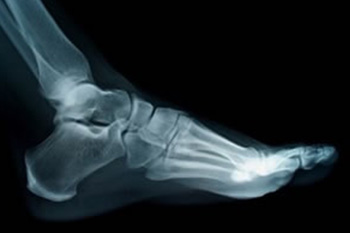
digital x-ray, Award Winning Podiatry Practice in the Cherokee County GA: Canton, Holly Springs, Sixes, Kennesaw, Acworth, Bridgemill, Keithsburg, Avery, Buffington, Sutallee, Lebanon, Kellogg Creek, Hickory Flat areas

Digital x-rays have long proved their usefulness in the diagnosis of medical conditions. This applies in podiatry as well, where digital x-rays can be used to find and visualize various issues including:

  • Fractures
  • Joint dislocations
  • Tumors and masses
  • Arthritis
  • Foreign objects
  • And other problems that need to be identified and treated

Digital x-rays can also be used to evaluate changes in the bones from bone disease, to assess whether a child’s bones are growing normally, and to help determine whether bones are properly set after treating a fracture.

Digital x-ray imaging allows for the instantaneous display of the image that is being read and captured by the x-ray’s sensors. The part of your body being pictured is positioned between the x-ray machine and photographic film before being met with electromagnetic waves. These waves expose the film, creating the image of your internal structure. The latest in technology has allowed for safe digital x-ray imaging with low exposure.


Vascular Diagnostics
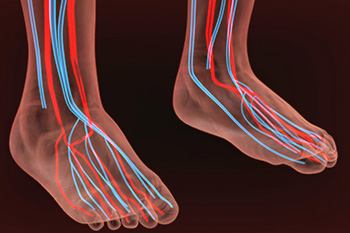
vascular diagnostics, Award Winning Medical Practice in the Cherokee County GA: Canton, Holly Springs, Sixes, Kennesaw, Acworth, Bridgemill, Keithsburg, Avery, Buffington, Sutallee, Lebanon, Kellogg Creek, Hickory Flat areas

In foot care, additional testing may be required for the diagnosing and treatment of certain conditions that involve the blood vessels in the feet and ankles. This type of testing, known as vascular testing, is particularly relevant for patients with high-risk diabetes, poor circulation, peripheral artery disease (PAD), and chronic venous insufficiency (CVI). Procedures typically involve the examination of blood vessels throughout the body for blockages or buildup.

Vascular testing is very important for the diagnosis of various conditions, including peripheral artery disease and chronic venous insufficiency. These conditions can directly affect the feet and ankles and cause pain in the lower limbs. Circulatory problems in the feet and ankles can reflect issues throughout the body, making testing of the blood vessels important.

Testing methods vary between practitioners and can be specific to certain foot and ankle problems. Contact us to determine what vascular testing is available for your needs.

Diagnostic ultrasound

Diagnostic ultrasound is a useful tool in the diagnosis and treatment of a variety of foot and ankle conditions. Ultrasounds can be performed in-office and can be used to identify:

Diagnostic ultrasound involves the use of a probe that emits soundwaves. This probe is applied to areas of the body that may be affected by the suspected condition. The soundwaves emitted pass through the body and are then reflected to the probe, recording an image. The recorded image is based on the density of the object or mass the soundwaves meet and will appear on the ultrasound screen, helping the podiatrist and patient visualize the area and determine a proper diagnosis and treatment. Ultrasound is also useful in guiding interventions, such as injections, by increasing the accuracy of the treatment and providing a visualization of the area being treated on the ultrasound screen.

swift

Say goodbye to stubborn warts.

Say hello to SWIFT.

Treatment now available

Are you tired of dealing with pesky warts? We at Elite Foot and Ankle are very excited to announce that we have a brand new and effective treatment for surface based skin lesions, primarily warts.

Plantar warts; a common and stubborn Viral Infection

“Plantar” means “Of the sole” in Latin. Unlike other types of warts, plantar warts are typically quite painful as the pressure from walking and standing forces them to grow into your skin. Like all warts, Plantar warts are caused by the human papillomavirus (HPV) virus, specifically types 1, 2, 4, 60, and 63. Underneath the skin, the wart can have finger-like roots that reach down and grow, making them very difficult to treat effectively from the surface.

What is Swift?

Swift is a cutting edge, FDA Cleared technology that has proven to be highly effective in the removal of plantar warts. It delivers low dose microwave energy through a specialized probe that targets and effectively treats the underlying HPV virus by stimulating a natural immune response in the body. We like to say that we’re addressing the root cause; not the symptom.

What to Expect

Swift protocol involves between 3 and 4 treatments, spaced 4 weeks apart; aligning with the body’s natural immune cycle. Each treatment lasts only 5-10 minutes and is what we call a “sock off - sock on” treatment: Limited debridement, no breaking of the skin, no bandages. No home treatment is required between treatments and patients are able to resume daily activities immediately post treatment.

How effective is Swift?

Due to Swift harnessing the power of the patient’s immune system to target the root cause of the wart (HPV), efficacy is significantly higher compared to other treatment methods. For more information on Swift and how it compares to traditional methods, visit Wart Treatment Info.

Does it hurt?

While pain is variable and patient/lesion specific, most patients typically feel some level of discomfort as infected tissue temperatures are rapidly elevated over a 2 second dose of energy. The pain immediately subsides following cessation of energy delivery and there is very limited post procedural pain, in fact some report an immediate reduction in pain levels. All patients are about to continue on with day-to-day activities immediately following treatment.

When you should come to see us

It’s important to visit a podiatrist if you suspect or feel that you have a plantar wart and are seeking removal. The longer you wait to seek treatment, the more likely the wart is to persist. Here are some common symptoms to look out for:

swift equipment

  • You may get the feeling of “painful pebbles” in your shoes.
  • You may experience pain when you compress the sides of the wart.
  • You may see a circular flat spot on the skin with a depressed area in the middle.
  • They may appear “yellowed” with a crust; small black dots can be an easy give away.
  • The lesion on your foot is painful, bleeding, or has changed color.
  • Treatments you have tried do not work, and the wart reoccurs or multiplies.
  • Discomfort that prevents you from doing regular activities.
  • Poor sensation in your feet.
  • You are unsure if the lesion is a wart.


What to do Next?

If you would like to (a) get rid of your warts and/or (b) explore Swift Treatment, please book a consultation with us either online or by calling us on (770) 765-5828. One of our specialists will be happy to help.

swift treatment
Before SWIFT treatment
swift treatment
SWIFT treatment
swift treatment
After SWIFT treatment
swift-before-and-after.jpg
Before and After

Keeping you moving

scroll to top